
New book brings together three decades of research on Marine Turtles in West Africa
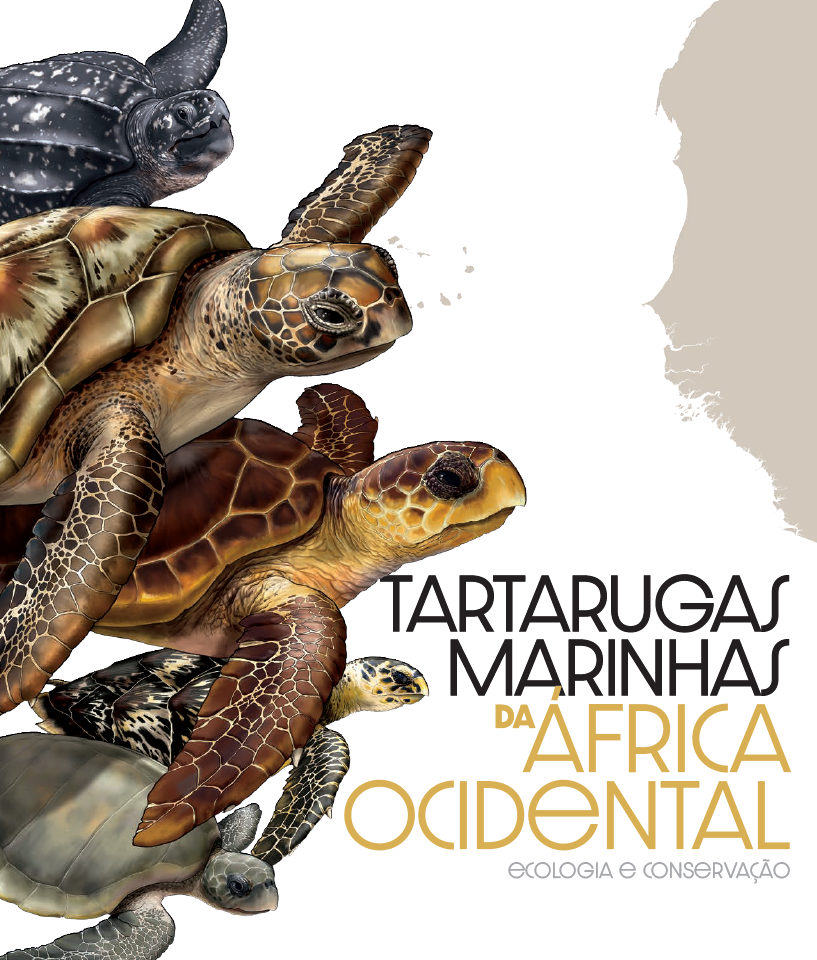
On April 29, the book "Marine Turtles of West Africa: Ecology and Conservation" was launched in Nouakchott (Mauritania). This work brings together, for the first time, the scientific knowledge about the five species of marine turtles that regularly inhabit West Africa, considered a global hotspot for their conservation.
The book originated from an original idea by researcher Paulo Catry from the Regional Research Unit of MARE/ARNET at ISPA, who took on coordination and principal authorship. The edition was handled by the Regional Partnership for the Conservation of Coastal and Marine Areas of West Africa (PRCM), which makes the work available free of charge in PDF format in three languages: Portuguese, French, and English. The initiative mobilised more than 40 specialists over two years, from the seven countries that make up the partnership: Mauritania, Cape Verde, Senegal, Gambia, Guinea-Bissau, Guinea-Conacri, and Sierra Leone.
The content gathered helps to clarify the conservation status of the species in the region and main threats. Of the five species (loggerhead sea turtle Caretta caretta, green sea turtle Chelonia mydas, olive ridley sea turtle Lepidochelys olivacea, hawksbill sea turtle Eretmochelys imbricata, and leatherback turtle Dermochelys coriácea), most have a "vulnerable" conservation status, with the hawksbill turtle being critically endangered. Illegal capture, accidental bycatch, marine pollution, coastal urbanisation, and increasing tourism are among the main threats in the region.
For Paulo Catry, reducing accidental capture is the greatest immediate challenge. The creation and management of Marine Protected Areas has produced encouraging results, but the researcher considers "more targeted mechanisms are necessary to fight bycatch." In the long term, he adds, "strategies will be needed to fight the impacts of climate change, with the creation of alternative refuge and nesting zones for beaches that will be submerged."
"In West Africa, there is a favourable context for regional planning and cooperation for the protection of these species," clarifies Catry, "resulting from the contribution of funders through the PRCM." Paulo Catry also explains that "from 2017, the MAVA Foundation decided to start investing more in turtle conservation in Guinea-Bissau and Cape Verde, two countries of great importance for nesting. These efforts expanded and a true regional project was created, which is currently sustained by PRCM with funding from the Hans Wilsdorf Foundation."
The book synthesises up-to-date knowledge about the reproductive biology, migrations, status, geographical distribution, threats, and conservation of these species, drawing on decades of research conducted in West Africa. Additionally, it includes a history of the scientific and monitoring efforts developed in the region, covering projects from the different countries that, in some cases, have lasted for more than three decades.
The PRCM is a coalition of organisations committed to marine and coastal conservation in West Africa, operating in the seven countries mentioned. The organisation adopts a participatory and transparent governance model, bringing together scientific institutions, governments, and civil society organisations. For more information, please visit www.prcmarine.org.
Texto: Patrícia Chaves